WASH and waste in health care facilities
Overview
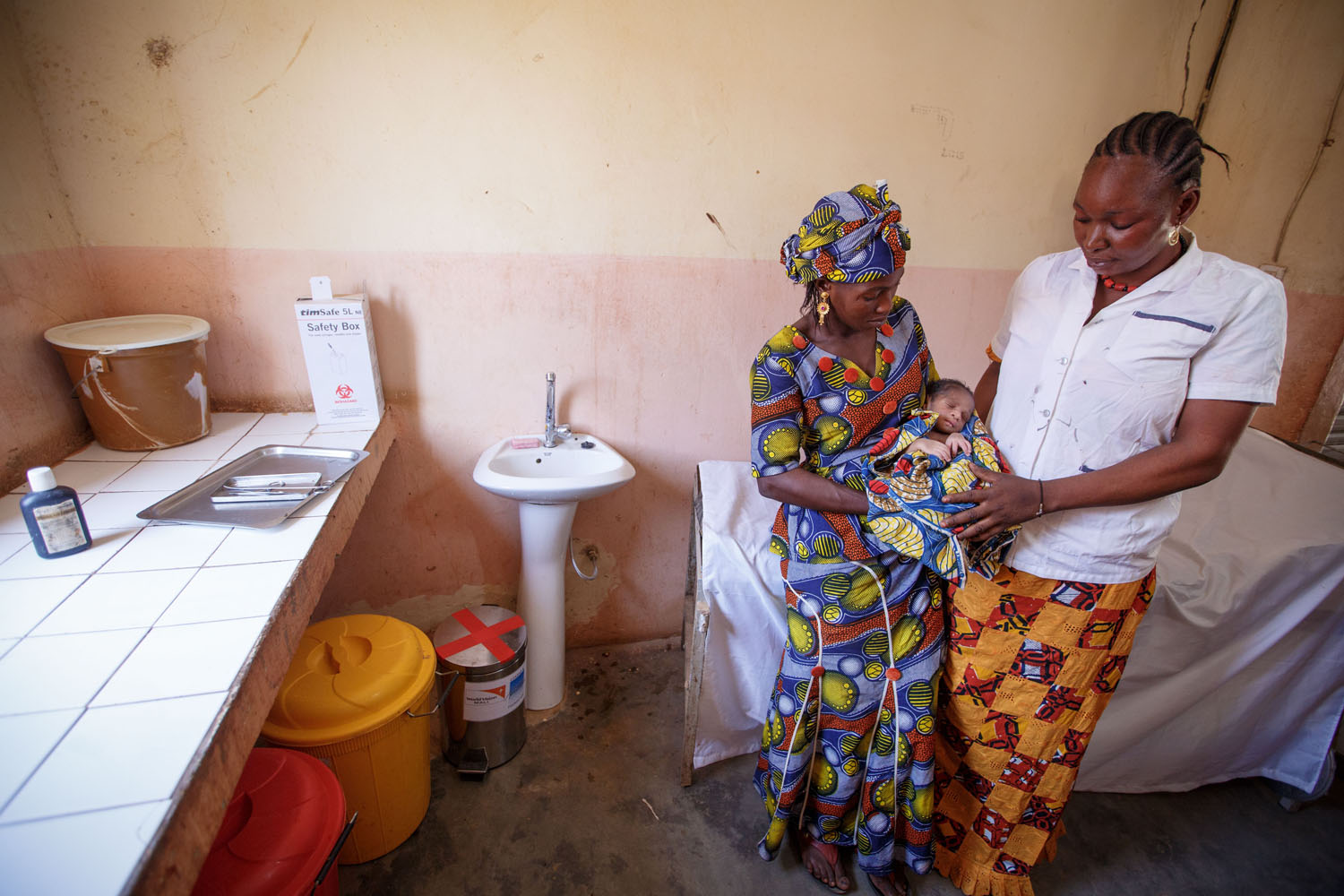
Fully functioning water, sanitation, hand hygiene, waste management and environmental cleaning (WASH) services are a crucial aspect of providing safe, quality care, preventing infections, reducing AMR, ending preventable maternal and newborn deaths, and responding to outbreaks and emergencies.
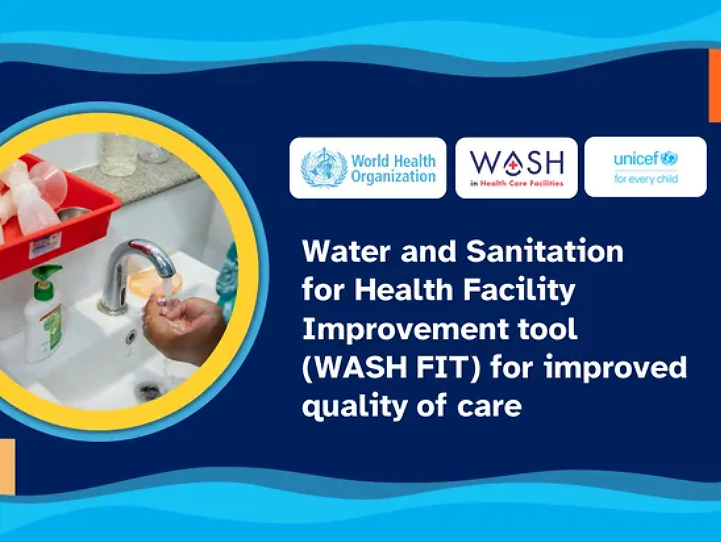
With huge gaps in current services, WHO, in collaboration with UNICEF and partners around the world, is working to improve WASH in health care facilities, including the safe management of health care waste. Work focuses on supporting countries to implement the 8 Practical Steps, including developing national roadmaps, strengthening regular monitoring and improving services through the use of the Water and Sanitation for Health Facility Improvement Tool (WASH FIT).
Tracking progress
WHO and UNICEF are tracking progress on implementation of the Practical Steps. Global updates have been published in 2020, 2023 and 2025. The WHO/UNICEF Joint Monitoring Programme also regularly updates global data and publishes reports on WASH and waste services in health care facilities.
Definition of WASH in health care facilities
The term “WASH in health care facilities” refers to the provision of water, sanitation, health care waste management, hygiene and environmental cleaning infrastructure and services across all parts of a facility. “Health care facilities” encompass all formally recognized facilities that provide health care, including primary (health posts and clinics), secondary, and tertiary (district or national hospitals), public and private (including faith-run), and temporary structures designed for emergency contexts (e.g., cholera treatment centers). They may be located in urban or rural areas.
WHO Academy modules
/countries/fiji/climate-change2.jpg?sfvrsn=fc222bb0_5 "climate-change2")
Relevant publications
Essential services for quality care: water, sanitation, hygiene, health care waste and electricity services...
This report provides the latest progress in ensuring universal access to water, sanitation, hygiene (WASH), waste and electricity services in health care...
Safe management of pharmaceutical waste from health care facilities: global best practices
This document provides a summary of existing, relevant recommendations for the safe management of pharmaceutical waste and uses case studies to illustrate...
Implementaton of the water and sanitation for health facility improvement tool (WASH FIT): global report
This document provides an analysis of the application of the Water and Sanitation for Health Facility Improvement tool (WASH FIT), along with case studies...
Universal water, sanitation, hygiene, waste and electricity services in all health care facilities to...
The Framework serves to guide efforts to deliver safe and sustainable water, sanitation and hygiene (WASH), health care waste management and reliable electricity...
Water, sanitation, hygiene, waste and electricity services in health care facilities: progress on the...
WASH in health care facilities is essential for quality care – on this there is universal consensus. Many countries are taking action, but more collaborative,...
WASH FIT manual for trainers
This manual for trainers outlines the information and materials required to undertake training in line with the WASH FIT Guide, including background documents,...
WASH FIT: A practical guide for improving quality of care through water, sanitation and hygiene in health...
WASH FIT is a risk-based, quality improvement tool for health care facilities, covering key aspects of WASH services: water; sanitation; hand hygiene;...
Global analysis of health care waste in the context of COVID-19
Globally, safe waste management services for healthcare waste are lacking, especially in least developed countries. The latest available data (from...
The report identifies major global gaps in WASH services: one third of health care facilities do not have what is needed to clean hands where care is provided;...
Achieving quality health services for all, through better water, sanitation and hygiene - Lessons from...
Achieving Health for All, and in particular universal health coverage (UHC), will not happen without fully functioning basic water, sanitation and hygiene...
WASH in health care facilities: Practical steps to achieve universal access to quality care
In 2018, the United Nations (UN) Secretary-General issued a Global Call to Action to elevate the importance of and prioritize action on WASH in all health...

WHO and UNICEF, through the WHO/UNICEF Joint Monitoring Programme for Water Supply, Sanitation and Hygiene (JMP), have produced regular updates on water,...
Overview of technologies for the treatment of infectious and sharp waste from health care facilities
The waste produced in the course of health care activities, from contaminated needles to radioactive isotopes, can cause infection and injury, and inadequate...
Safe management of wastes from health-care activities: A summary
The waste produced in the course of health care activities, from contaminated needles to radioactive isotopes, can cause infection and injury, and inadequate...
The waste produced in the course of health-care activities, from contaminated needles to radioactive isotopes, carries a greater potential for causing...