
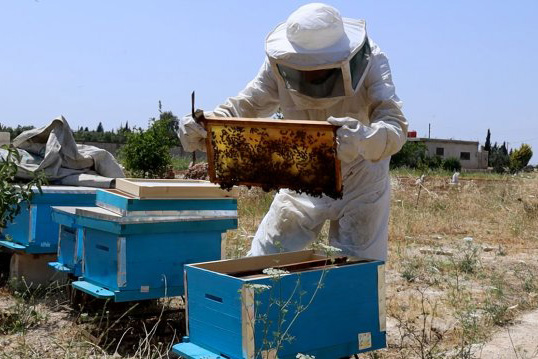
Maher Dallah is originally a woodworker, but he wasn’t a complete stranger to bees and hives. Before he went into the business, his grandfather taught him how to make traditional beehives from clay. Maher built on his carpentry skills with help from FAO’s programme entitled Nabta (the Arabic word for seedling. Through Nabta, FAO supports young people in their entrepreneurial initiatives in agriculture and agriculture-related sectors. Participants get general training on agriculture and business. Investing in youth is vital to ensure the future of Syria’s agricultural sector.
FAO
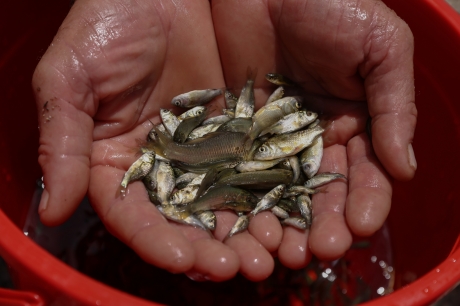
Carp was once the “King of Lake Shkodër”. Found in abundance in the largest inland body of water in the Balkan Peninsula, carp was a lifeline for fishers and their communities for generations. Lakeshore development, pollution, climate change and overfishing have taken a heavy toll on the lake’s biodiversity, including carp and other fish stocks, and that’s affected the lives and livelihoods of those who depend on them. Now around 420 fishers are taking part in an FAO initiative to improve sustainable fishing practices and rebuild breeding stocks by using aquaculture-based practices.
Have you ever wondered why some communities today constantly face extreme hunger? There’s a common saying that goes: “Give a person a fish and they will have dinner for the night but teach them to fish and they’ll never have to worry about food again”. It sounds easy enough, but what happens in the event of a disaster? What if the lake dries up? How do small-scale food producers survive emergencies? Watch this FAO video to find out.
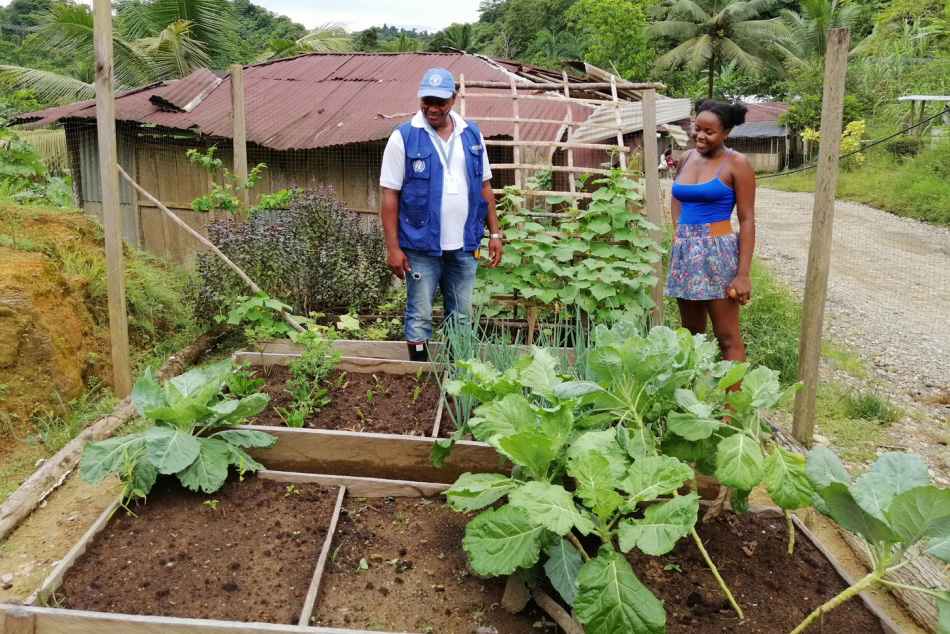
In recent decades, the violence has left millions of Colombians internally displaced. A peace agreement between the government and the Revolutionary Armed Forces of Colombia in 2016 marked a significant watershed. Yet six years on, displacement has continued, leaving 7.35 million people in the country still in need of food security assistance. But at least for the villagers of Cedro, daily life recently has had a calmer and more normal feel to it. A project by FAO helps provide for the villagers’ food and livelihood needs and get them on a path back to normal life.
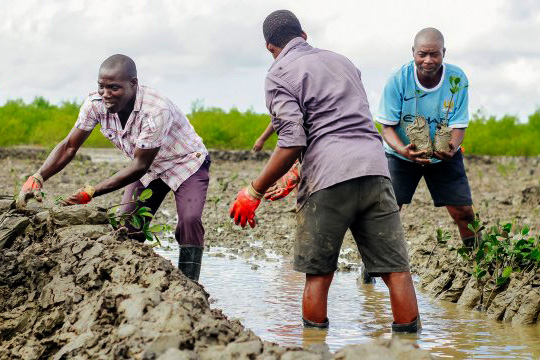
For most of human history, people around the world lived in small communities. However, over the past few centuries – and particularly in recent decades – there has been a mass migration of populations from rural to urban areas. In fact, in 2007, the number of people in urban areas around the globe overtook the number in rural settings. The need to drastically improve city living is clear. From curbing food waste to expanding green spaces, FAO’s Green Cities Initiative is transforming urban and peri-urban areas in Africa and worldwide.
Innovative technologies can help us make our agrifood systems become more efficient, inclusive, resilient and sustainable. One such “new kid on the block” is blockchain technology.
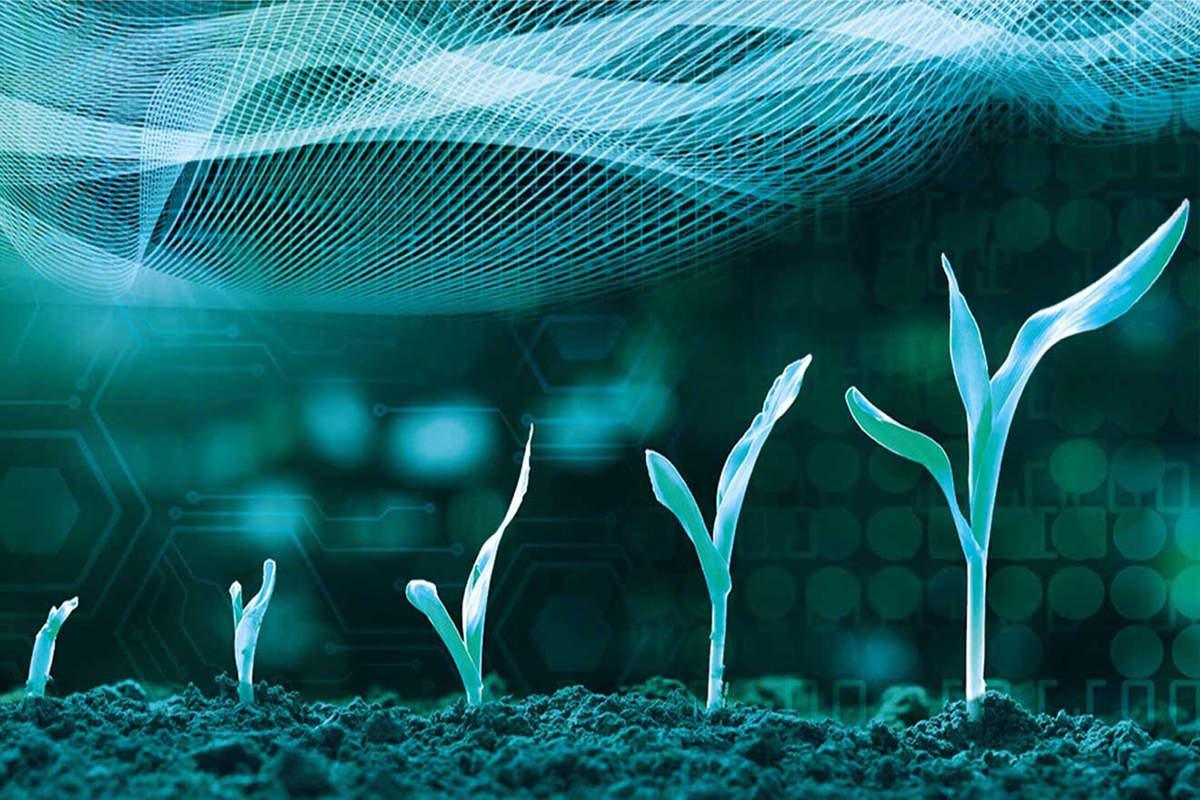
Agrifood systems face complex and unprecedented challenges related to climate change, biodiversity loss, migration, conflict, economic instabilities, and COVID-19. The FAO Science and Innovation Forum, organized together with the World Food Forum and the FAO Hand-in-Hand Investment Forum from 17 to 21 October 2022, highlight the centrality of science, technology and innovation to catalyze the transformation of our agrifood systems. The events encourage a diversity of perspectives based on science for better production, better nutrition, a better environment, and a better life for all.
This FAO music video brings together kids from all over the world singing in many languages: ♩ "We dream of a better world, Where we can feed all of its people, No one left behind, And where everyone is equal.” ♩
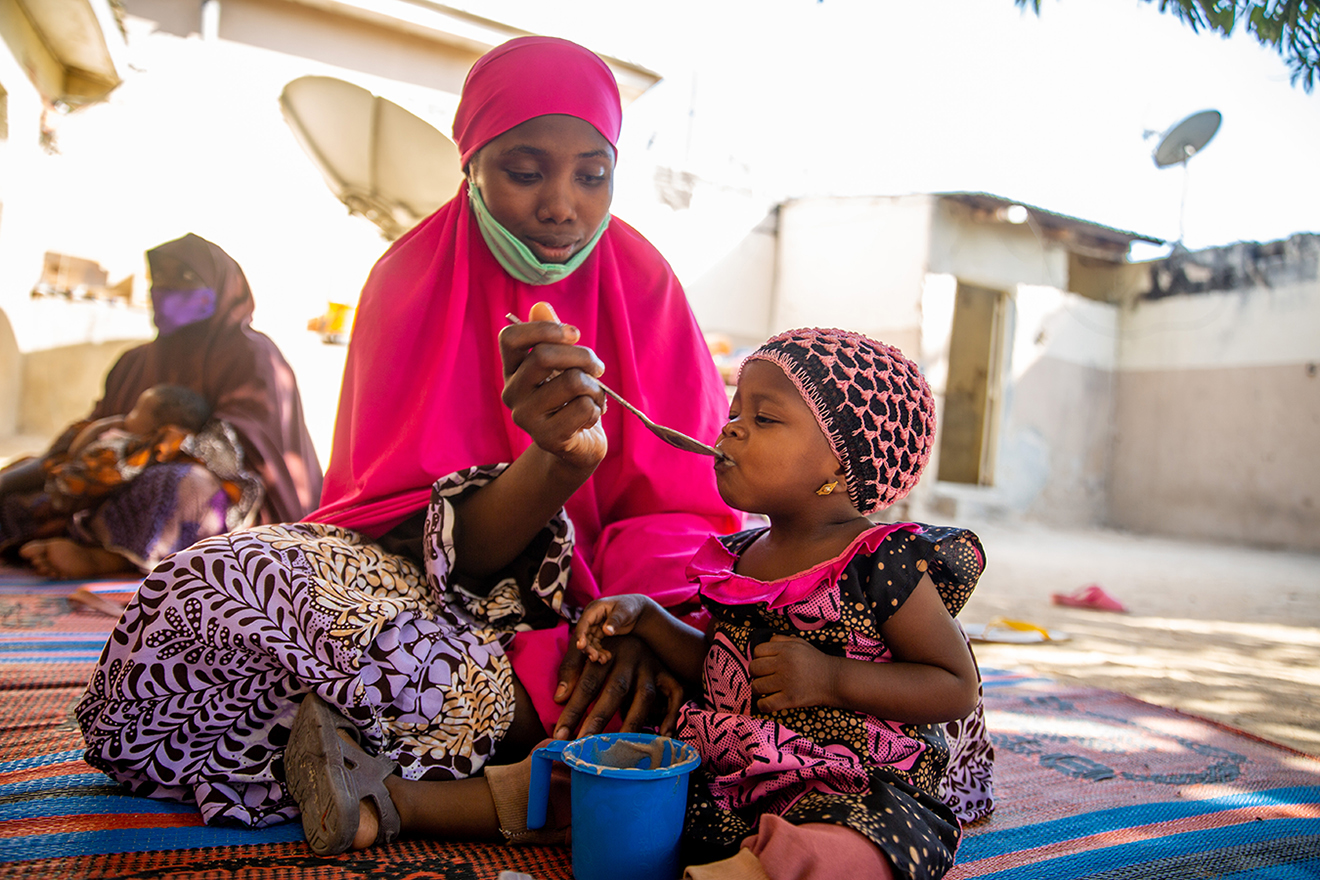
2022 finds us amid an ongoing pandemic, conflict, a climate that won’t stop warming, rising prices, and international tensions. This is affecting global food security and almost 40% of the world’s population cannot afford a healthy diet. We need to build a sustainable world where everyone, everywhere has regular access to enough nutritious food. This World Food Day, let’s make sure that no one is left behind. Find out more, watch the live webcast of the Day's events, as well as Junior World Food Day. Join #WorldFoodDay!
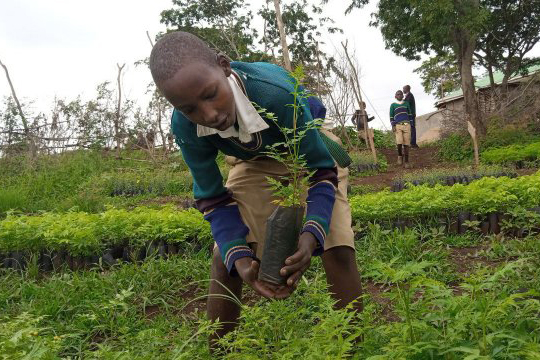
When it comes to learning how to nurture seedlings to grow into trees, improving your surroundings and restoring the land around you, you’re never too young to make a start. That’s the thinking behind a project in Tanzania, supported by FAO and its partners, setting up more than 30 clubs in primary and secondary schools to impart these skills to children from an early age. Under the project, staff also deliver services such as business incubation trainings, entrepreneurship methodology and community microfinancing to the adults in the community.
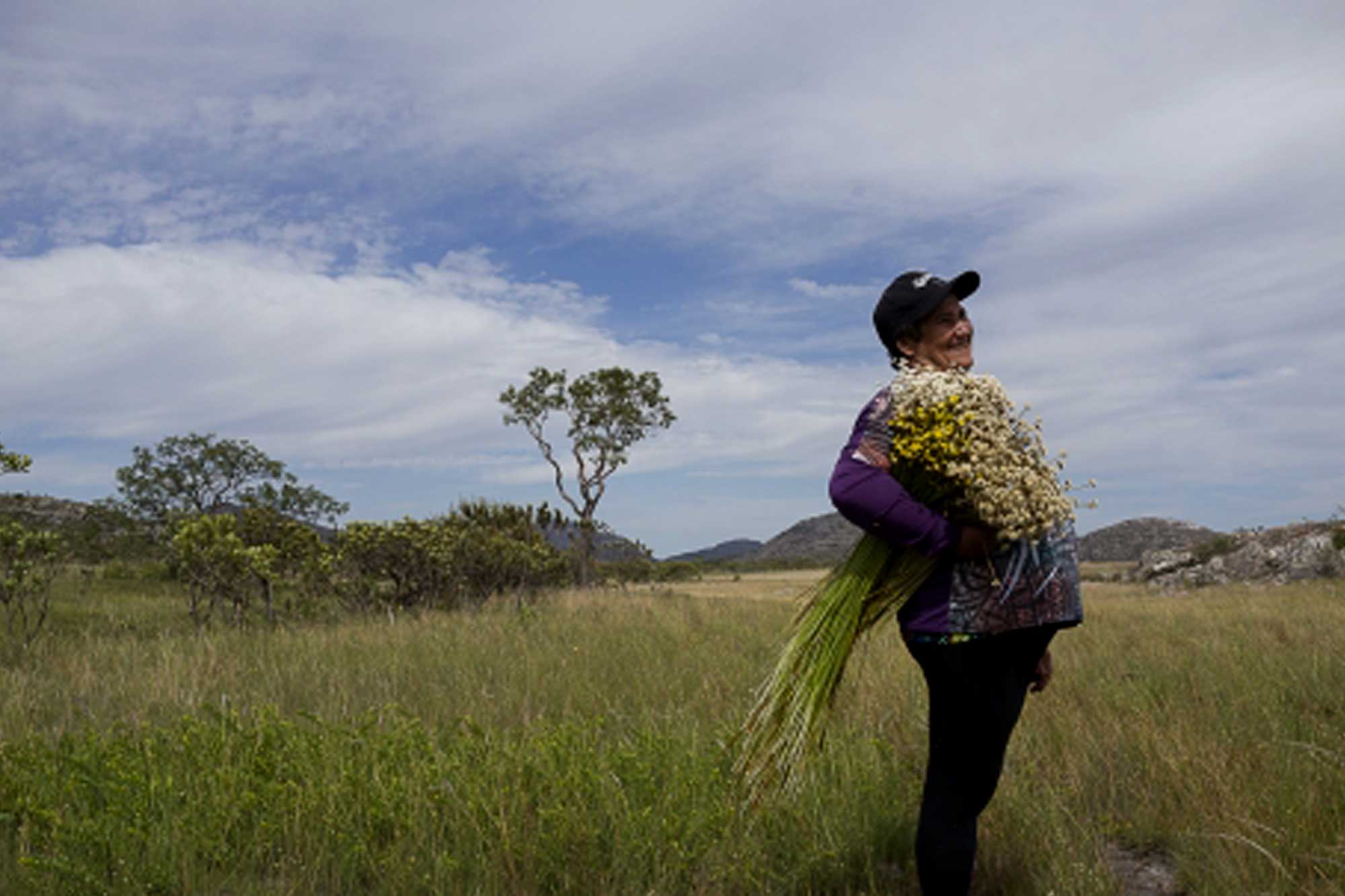
In some places, farmers have learned to work in harmony with the environment and use knowledge passed down over centuries to implement sustainable practices and protect biodiversity in their ecosystems. These communities envisaged and implemented ingenious ways to conserve, preserve and sustainably use biodiversity while safeguarding livelihoods and landscapes. Through the GIAHS programme, FAO is helping preserve this agricultural heritage. Here are just 4 examples of GIAHS sites.
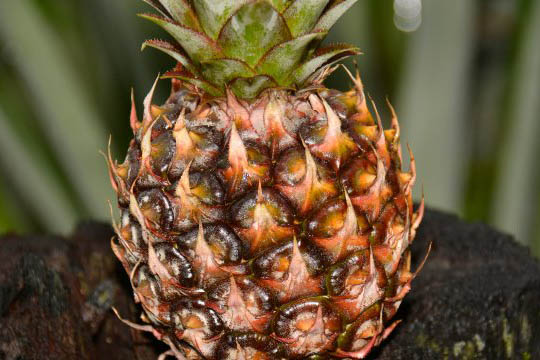
With its sandy white soil, Suriname’s savannah belt, tucked between the country’s Atlantic coast and the dense tropical forest of its interior, may not count among its most fertile soils. But it’s considered one of the birthplaces of the pineapple, and its rich and unique collection of varieties testifies to this. Cultivated mainly by the region’s Indigenous Peoples, especially the Lokono (Arawak) and Kaliña (Caraiben) peoples, the pineapple offers great prospects for improving livelihoods – potential which FAO and its United Nations partner agencies are working to help unlock.
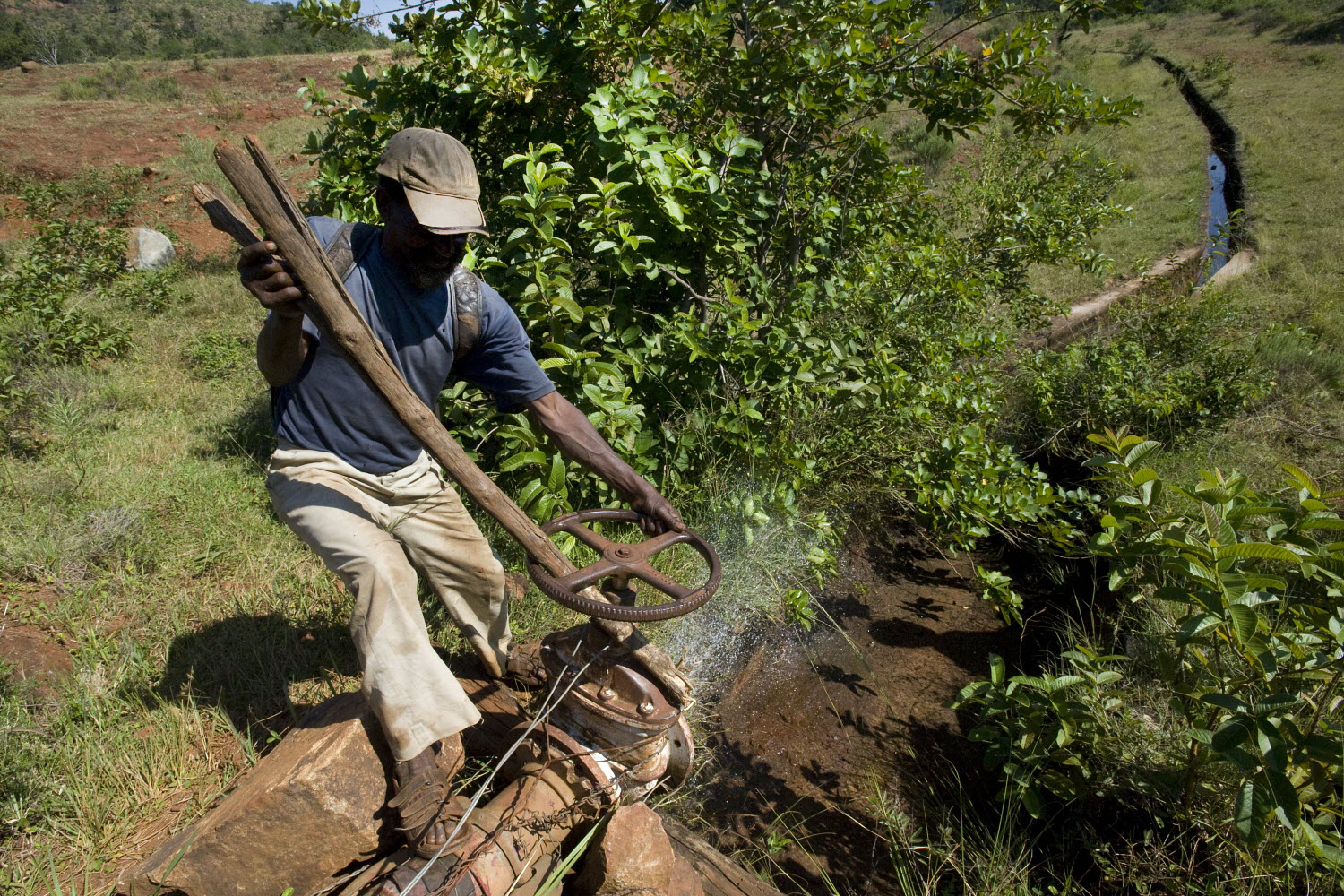
Water is one of the world’s most precious resources and access to clean water and safe, nutritious food is a basic human right. Water connects us all and is essential to everything we do. Water is also vital for agriculture, livestock and fisheries and key to food production, nutritional security and health. Yet, global water quality is deteriorating at an alarming rate, and land and water resources around the world are at a breaking point, according to FAO’s latest report, State of the World’s Land and Water Resources for Food and Agriculture.
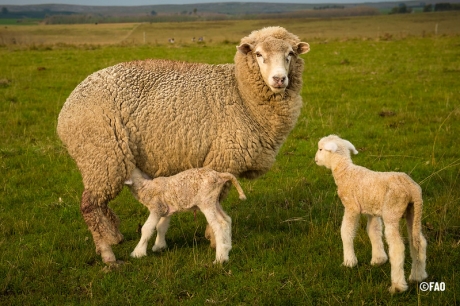
FAO approached producer organizations in Uruguay to assess individual farms and help implement climate smart strategies that encourage the regrowth of vegetation and the return of biodiversity.