
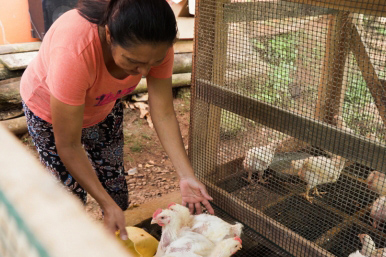
Proud of her land and community, Nila has always looked for new ways to contribute to its development. An opportunity arose when FAO and partners implemented a joint programme called: Strengthening the bridge to development strategy to break the cycle of poverty at the local level with a gender and environmental approach. Nila worked hard to get involved in the programme and obtain the capital that allowed her to start a chicken farm. This support set Nila off with 25 chickens and four months later, she had quadrupled her stock.
FAO
South–South and triangular cooperation (SSTC) can play a catalytic role in accelerating progress towards the SDGs. A new publication provides a snapshot of FAO’s engagement in SSTC through three case studies.
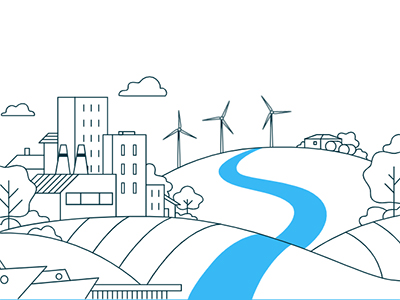
Our very existence depends on water. We all need water to drink and water to grow food. Water-related ecosystems also sustain livelihoods, food security and nutrition. However, freshwater is becoming increasingly scarce. Today, 3.2 billion people live in agricultural areas with high or very high water shortages or scarcity, of whom 1.2 billion people live in areas with very high water constraints. Ensuring more productive and sustainable use of freshwater and rainwater in agriculture, the world’s largest water user, is key to managing scarce water resources.
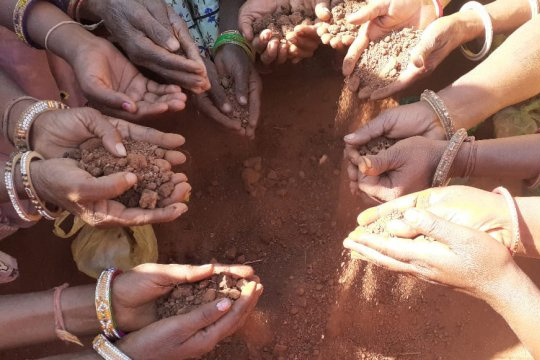
The equivalent of one soccer pitch of soil erodes every five seconds, yet it takes 1,000 years to produce just a few centimetres of topsoil. Soil is the life support of our food and agriculture. We rely on soils for 95 percent of the food we consume. Yet on this course, by 2050, 90 percent of all soils are set to be degraded. Without change, degrading soils will put our ecosystems, our climate and food security in jeopardy. FAO’s Global Soil Partnership (GSP) has been working for the past decade with countries and over 500 partners to address soil-related issues.
What does a world where no one is left behind look like? Does it have healthy food for everyone? Show us by drawing a poster and participating in the World Food Day Poster Contest. The deadline to submit a poster is 4 November 2022.

The number of people affected by hunger globally rose to as many as 828 million in 2021, an increase of about 46 million since 2020 and 150 million since the outbreak of the COVID-19 pandemic, according to a United Nations report that provides fresh evidence that the world is moving further away from its goal of ending hunger, food insecurity and malnutrition in all its forms by 2030. We must transform our agrifood systems so everyone has access to the food they need. Read the FAO's interactive story to learn more.

Have you ever wondered where your coffee beans come from? Chances are it was prepared in Guatemala, ninth largest coffee exporter in the world. In the remote region of Ixil, far off the beaten tracks of the northern part of the country, low literacy rates and poverty have long plagued the Maya Ixil Indigenous population. Employment opportunities are far and few between and many parents feel that they have no choice but to bring their children to work with them in coffee fields to make ends meet. The Food and Agriculture Organization of the United Nations (FAO) and partners in the Ixil region are tackling child labour and poverty by promoting education and safe youth employment in the coffee industry.
Producers: Anais Hotin, Charlotta Lomas
Presenter: André Vornic, FAO
Photo credit: © FAO/Santiago Billy
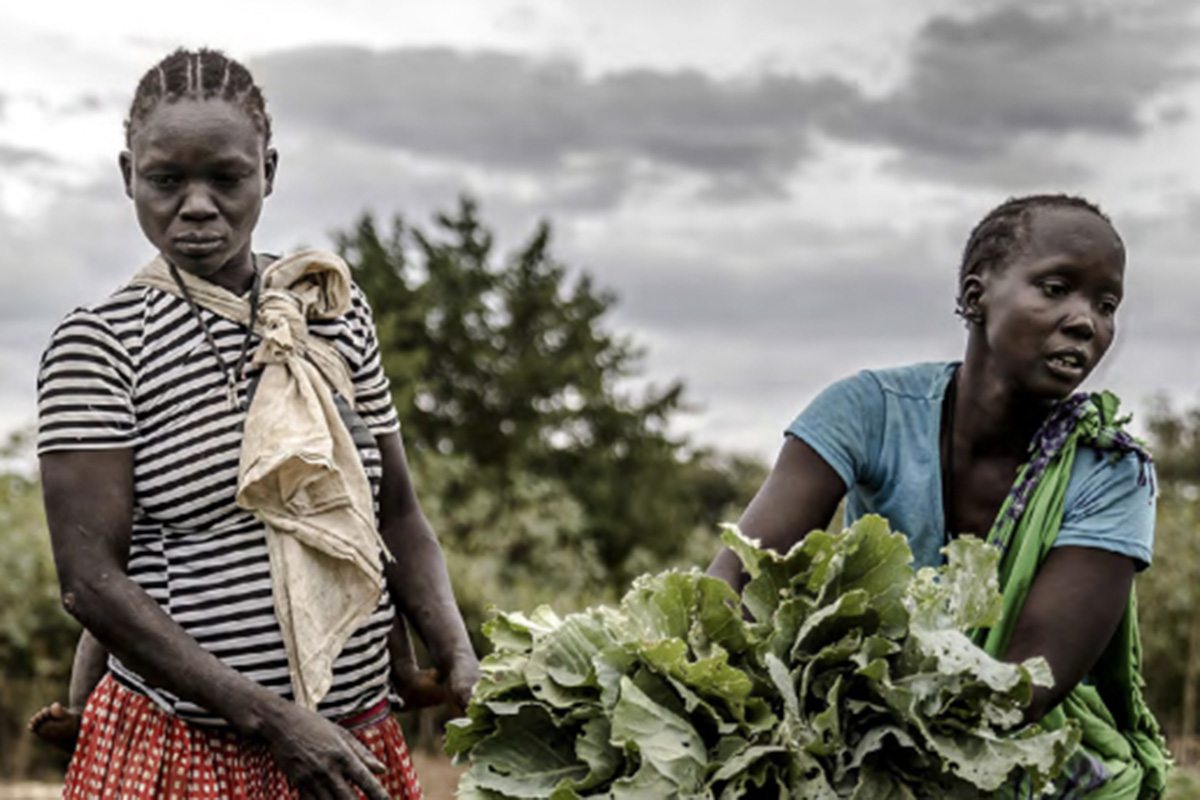
FAO’s flagship publication, the State of Food Security and Nutrition in the World 2022, shows how efforts to make progress towards SDG 2 - Zero Hunger, are proving insufficient.
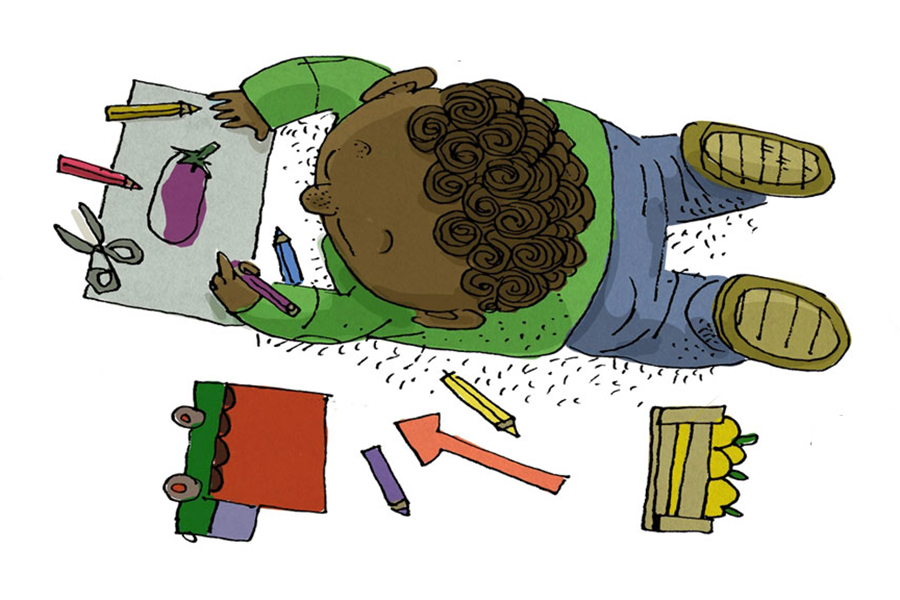
If you’re aged between 5 and 19, FAO wants to hear from you! Use your imagination and create a poster showing a world where everyone has access to healthy and affordable food.
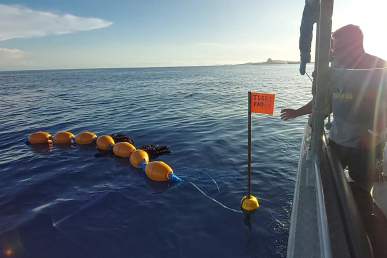
Through an FAO project in Fiji, fishers learn how to access aquatic species further offshore and are given the skills and equipment they need to do it. It’s about building capacity and resilience.
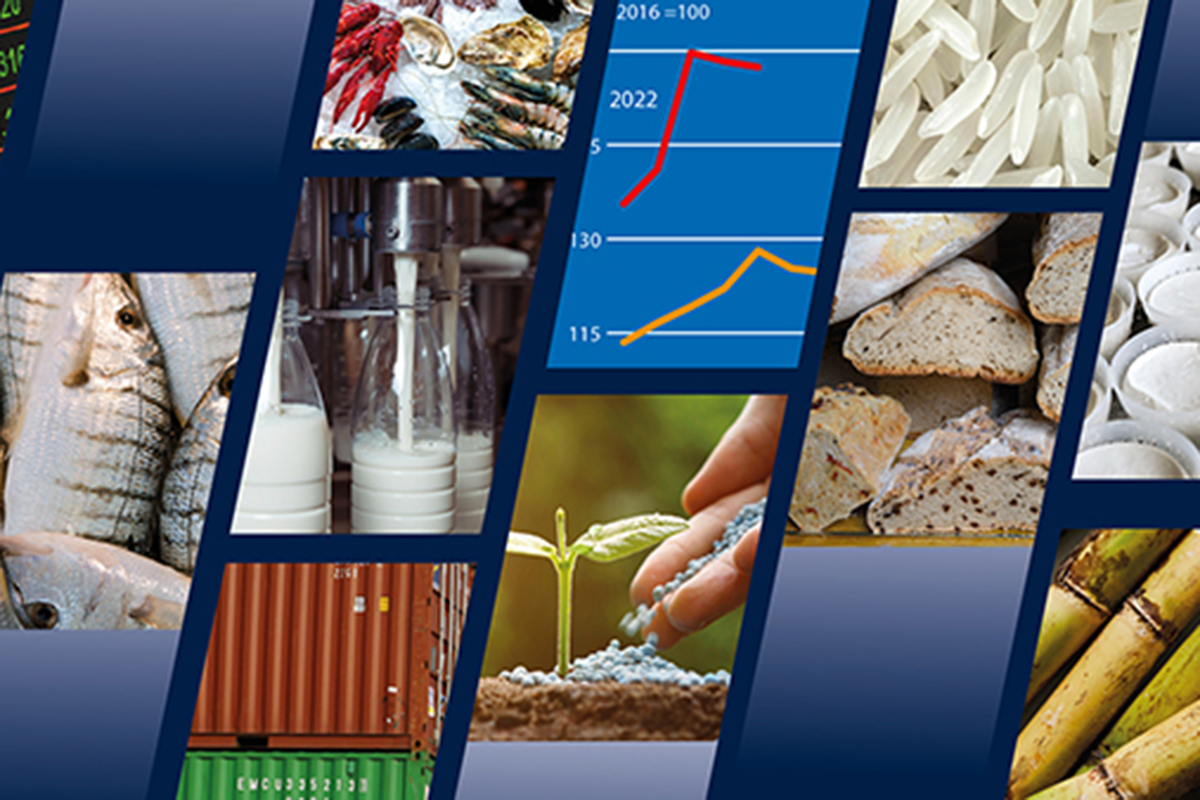

FAO presents the lessons of the International Symposium on Fisheries Sustainability, supporting the development of a new vision for sustainable and socially just fisheries, resilient to the changes of the twenty-first century. From the symposium a set of recommendations emerged to improve the sustainability of capture fisheries and progress towards the different targets of the SDGs. The unequal progress in fisheries management highlights the urgent need to replicate and re-adapt successful policies to maintain healthy fish stocks.
Food security means having regular access to enough safe and nutritious food to lead an active and healthy life. That makes food safety an integral part of food security.
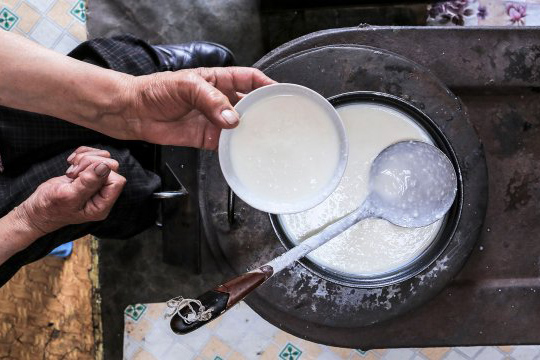
Thanks to its nutrient-rich composition milk is the third biggest supplier of protein and the fifth largest provider of energy, improving global nutrition and strengthening human health.
We must act now to halt the loss of biodiversity. FAO’s Framework for Action on Biodiversity for Food and Agriculture provides a set of recommendations and practical actions to help improve the sustainable use and conservation of biodiversity for food and agriculture.