

FAO monitors the global Desert Locust situation closely and provides early warnings and alerts on the timing, scale and location of invasions and breeding. This early warning is vital.
FAO

With the full picture of damage and needs after Tonga’s massive volcanic eruption and tsunami only gradually emerging, what is already clear is that the stakes could not be higher for the farmers and fishers of the South Pacific island nation, living in one of the world’s most disaster-prone regions. With roughly 86 percent of Tongans engaged in agriculture, FAO is extremely concerned about the potential impacts across all agriculture sectors, including fisheries, crops and livestock, even though information is limited, with communications and access remaining severely affected.
Antimicrobial Resistance (AMR) continues to pose a major threat to human development and to the fight against infectious diseases. A holistic approach must be used to mitigate AMR risks in Africa.

The pandemic has already shaken the 2030 Agenda for Sustainable Development, as it continues, FAO reports that progress towards the achievement of the SDGs is still to be determined.

They’re designed to not only celebrate local cuisines, but to recognise the nutritious value of traditional meals eaten around the globe.
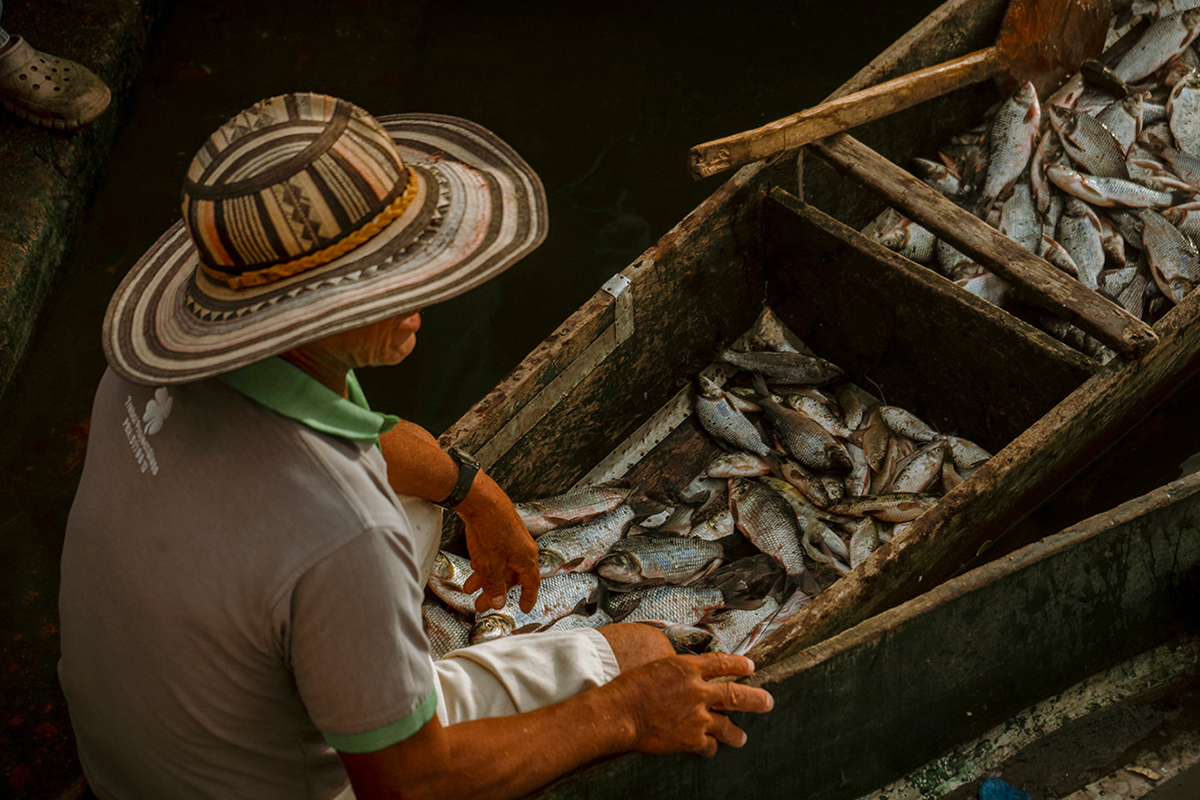
2022 is the International Year of Artisanal Fisheries and Aquaculture, to highlight the importance of small-scale artisanal fisheries for our food systems, livelihoods, culture and the environment. It aims to strengthen science-policy interaction, empower stakeholders, and build new or strengthen existing partnerships. Join us and help in our goal of conserving and sustainably using the oceans, seas and marine resources by spreading awareness of the beauty and sustainability of the artisanal fisheries. They might be small in scale, but big in value.
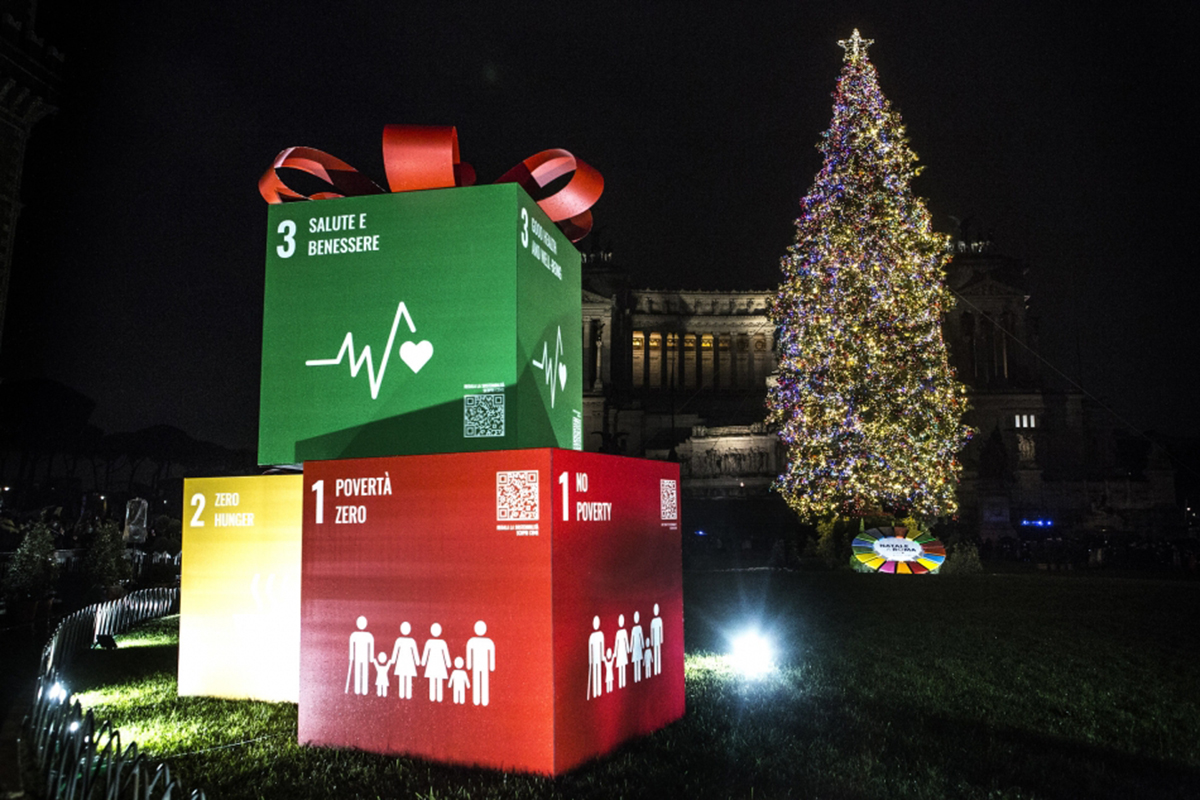
Sustainability goes beyond the environment; it includes other things that people need towards quality of life. FAO suggests what you can do to make this holiday sustainable, merry and bright.
Land, soil, and water are essential for life on Earth. Over 95% of our food is produced on land and it all begins with soil and water. All seem unlimited, yet everything has its limits. We are stretching the resources to a point of no return. Only by working together can we bring the land, soil and water ecosystems back from the brink of collapse. Let’s manage these resources wisely to safeguard our future.
FAO reminds us that biodiversity is the thread that keeps us together. Without it, there cannot be life on Earth and food for all. The fish we catch… the livestock we rear… the soil that nurtures our food… the trees that give us fruits, medicinal plants, timber… the water that flows beneath out feet… all depend on biodiversity. The way we produce, process, and consume our food needs to change. Here are 4 ways to protect biodiversity and strengthen ecosystem services…
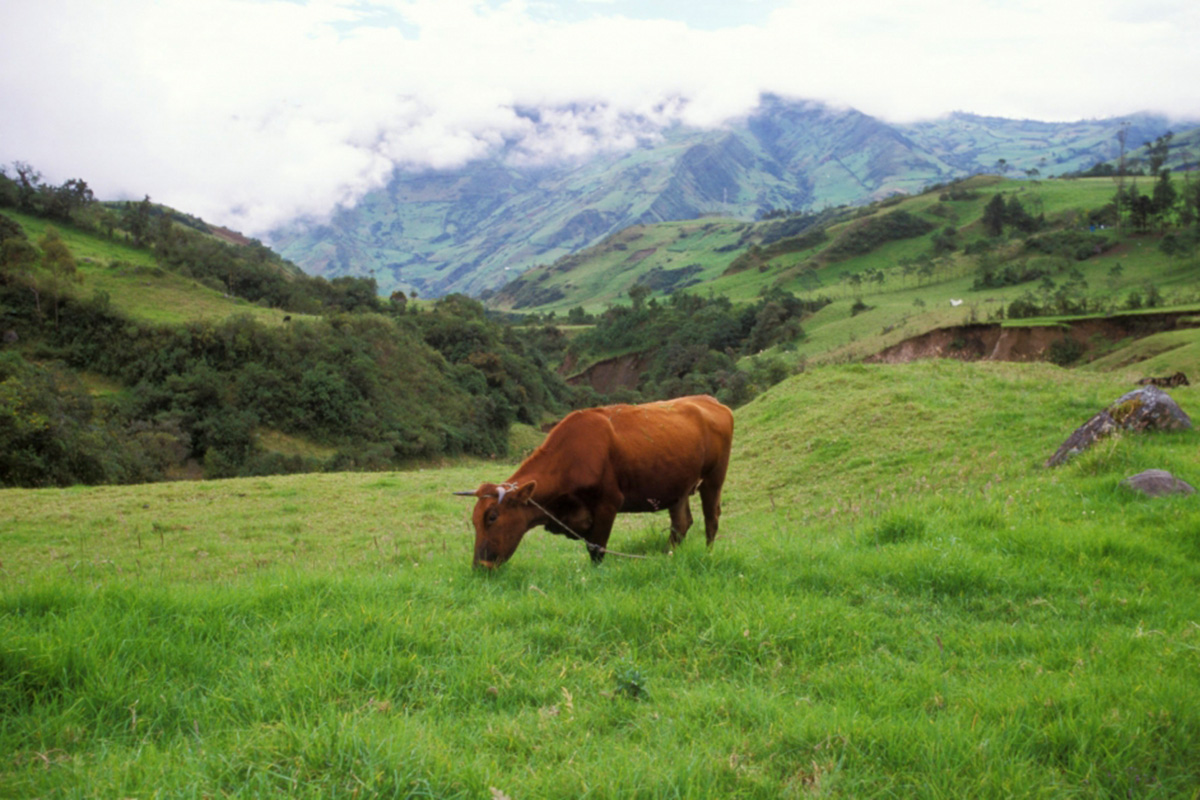
When we see the news reports on climate change, it often includes footage of factory chimneys and traffic jams. We may or may not realize that agriculture is also a key contributor. In fact, greenhouse gas (GHG) emissions from agri-food sectors represent around 34 percent of total GHG emissions. In response, FAO is ramping up its work to better respond to the climate crisis. One way of doing this is by spreading the use of green and climate-resilient agricultural techniques, which can help to reduce the negative impacts from the way our food is produced and reaches our plates.
To build a happy and healthy world, the Trolls want you to become a food hero too, so #ActNow! For the International Year of Fruits and Vegetables, the Trolls are joining forces with the United Nations, the UN Food and Agriculture Organization (FAO) and the UN Foundation to raise awareness of the important role of fruits and vegetables in creating a happy and healthy planet.
The United Nations has proclaimed 2022 as the International Year of Artisanal Fisheries and Aquaculture (IYAFA 2022), with the FAO serving as the lead agency. IYAFA 2022 will be an opportunity to celebrate the diversity of small-scale artisanal fisheries and aquaculture, including women and youth; to share the current and potential contributions to achieving the Sustainable Development Goals and highlight related innovation; and to build and strengthen related support and partnerships at all levels.
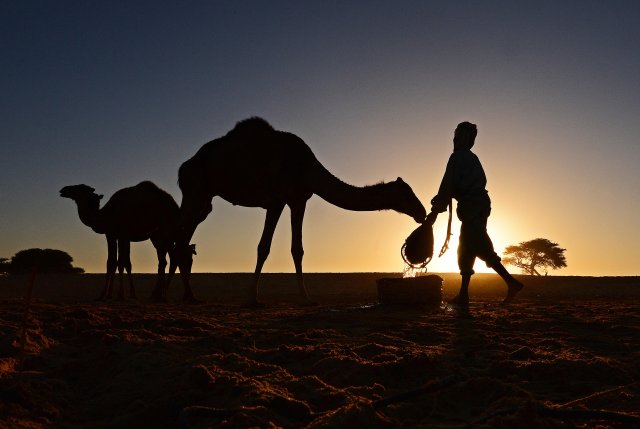
By working with nature, pastoralism, the time-tested form of raising and breeding livestock, champions productivity, sustainability and animal welfare.
The comforting aromas of tea and coffee unite people all over the world. These beverages are more than just a brew, they embody hundreds of years of knowledge that spans across generations. Tea and coffee are linked to many potential health benefits, as mounting scientific evidence has shown.
To millions of farmers in the poorest parts of the world, however, tea and coffee represent a source of income, livelihoods and a ladder out of poverty. They also contribute to transforming our agri-food systems towards sustainability and resilience. These billion-dollar industries fuel entire economies. Smallholder farmers and farming households are at the forefront of these sectors, producing 60% of the global tea supply and 80% of the coffee supply.
To learn more about tea and coffee, visit:
- FAO Markets and Trade
- WORLD FOOD DAY 2021 (WFD 2021)
- WFD 2021 Side event: Dialogue on Tea and Coffee - A talk show-style dialogue that explores the cultural significance and economic importance of tea and coffee (watch here)

While human activity has already influenced the climate, there are opportunities to mitigate its effects on Planet Earth. Back in April, four astronauts, including FAO Goodwill Ambassador Thomas Pesquet, travelled into space. They carried out a series of scientific experiments set to contribute to the fight against climate change and support global food security.
Producers: Charlotta Lomas, Anais Hotin, Marina Sánchez Castelo.
Presenter: Charlotta Lomas, FAO.
Photo credit: © ESA / NASA.
Sound effects provided by ESA and NASA.